
Introduction
Almonds are widely known for their health benefits, but like any food, they should be consumed in moderation. Overeating almonds or consuming them when you’re allergic can lead to unpleasant and sometimes serious health issues. Understanding the risks and allergy management is essential for safe consumption.
Also Read: Health Benefits of Almonds: Nutrition, Uses, and Powerful Reasons to Add Almonds Daily
Risks of Consuming Almonds in Excess
Although almonds are nutritious, excessive intake may trigger several side effects, especially in sensitive individuals.
Common Side Effects of Over-Consumption
Eating too many almonds may cause:
- Nausea
- Vomiting
- Difficulty in swallowing
- Diarrhoea
- Shortness of breath
- Severe itching or skin irritation
These symptoms usually occur when almonds are eaten in large quantities or without proper hydration. Moderation is key to enjoying their benefits without discomfort.
Important Note: Do not consume almonds at all if you are allergic to them, as reactions can be severe and life-threatening.
Managing Almond Allergies
If you are allergic to almonds or other tree nuts, learning how to manage your allergy is crucial. Proper awareness can help prevent accidental exposure and serious reactions.
Types of Almond Allergy
Also Read: Limit sugary drinks to Protect Your Heart and Prevent Diabetes Naturally
1. Primary Almond Allergy – Risks of Consuming Almonds
This is the most common and serious form of almond allergy.
- The immune system reacts directly to almond proteins
- Symptoms can be severe
- May lead to anaphylactic shock, which can be fatal without immediate medical attention
2. Secondary Almond Allergy (Cross-Reactivity) –
Risks of Consuming Almonds
This type of allergy is less common and usually milder.
- Occurs due to cross-reactivity with similar proteins
- Example: People allergic to birch pollen may react to almonds
- Symptoms often include:
- Itching
- Swelling of the mouth or lips
- Hives or mild skin reactions
Hidden Sources of Almond Exposure
Allergic reactions can occur even without directly eating almonds. Almond derivatives are commonly found in:
- Sweets and baked goods
- Desserts and confectionery
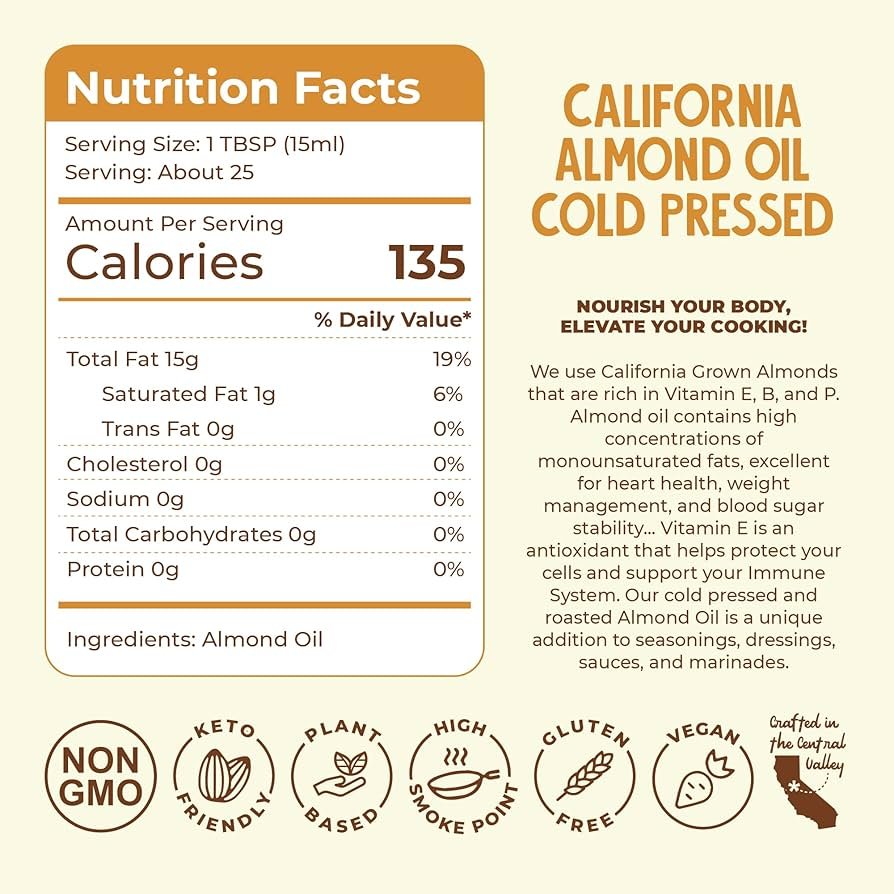
- Almond oil is used in cooking
- Personal care products such as:
- Soaps
- Shampoos
- Conditioners
Always check ingredient labels for almond extract, almond oil, essence, or flavourings to avoid accidental exposure.
When to Seek Medical Help
If you experience symptoms such as breathing difficulty, swelling, vomiting, or severe itching after almond exposure:
Also Read: Limit sugary drinks to Protect Your Heart and Prevent Diabetes Naturally
- Seek medical attention immediately
- Early intervention can prevent complications
- Carry prescribed emergency medication if you have a known nut allergy.
Final Thought
Risks of Consuming Almonds – Almonds are healthy when eaten in moderation, but overconsumption or allergies can pose serious risks. Being mindful of portion sizes, recognizing allergy symptoms, and checking ingredient labels can help you enjoy food safely while protecting your health.
FAQs About Almond Risks and Allergies
Q1. Can eating too many almonds be harmful?
Yes, excessive intake can cause digestive issues, nausea, and breathing discomfort.
Q2. Are almond allergies common?
Almond allergies are less common than peanut allergies but can still be severe.
Q3. Can almond oil trigger allergic reactions?
Yes, people with almond allergies may react to almond oil in food or toiletries.
Q4. What is the most dangerous almond allergy reaction?
Anaphylactic shock, which requires immediate medical attention.
Q5. Should children with nut allergies avoid almonds completely?
Yes, complete avoidance is recommended unless advised otherwise by a medical professional.
Disclaimer
This website’s content is meant simply for educational purposes and should not be used in place of medical care from a qualified healthcare provider. Because of individual needs, readers should consult their doctor to determine whether this information is appropriate for their situation.