Introduction
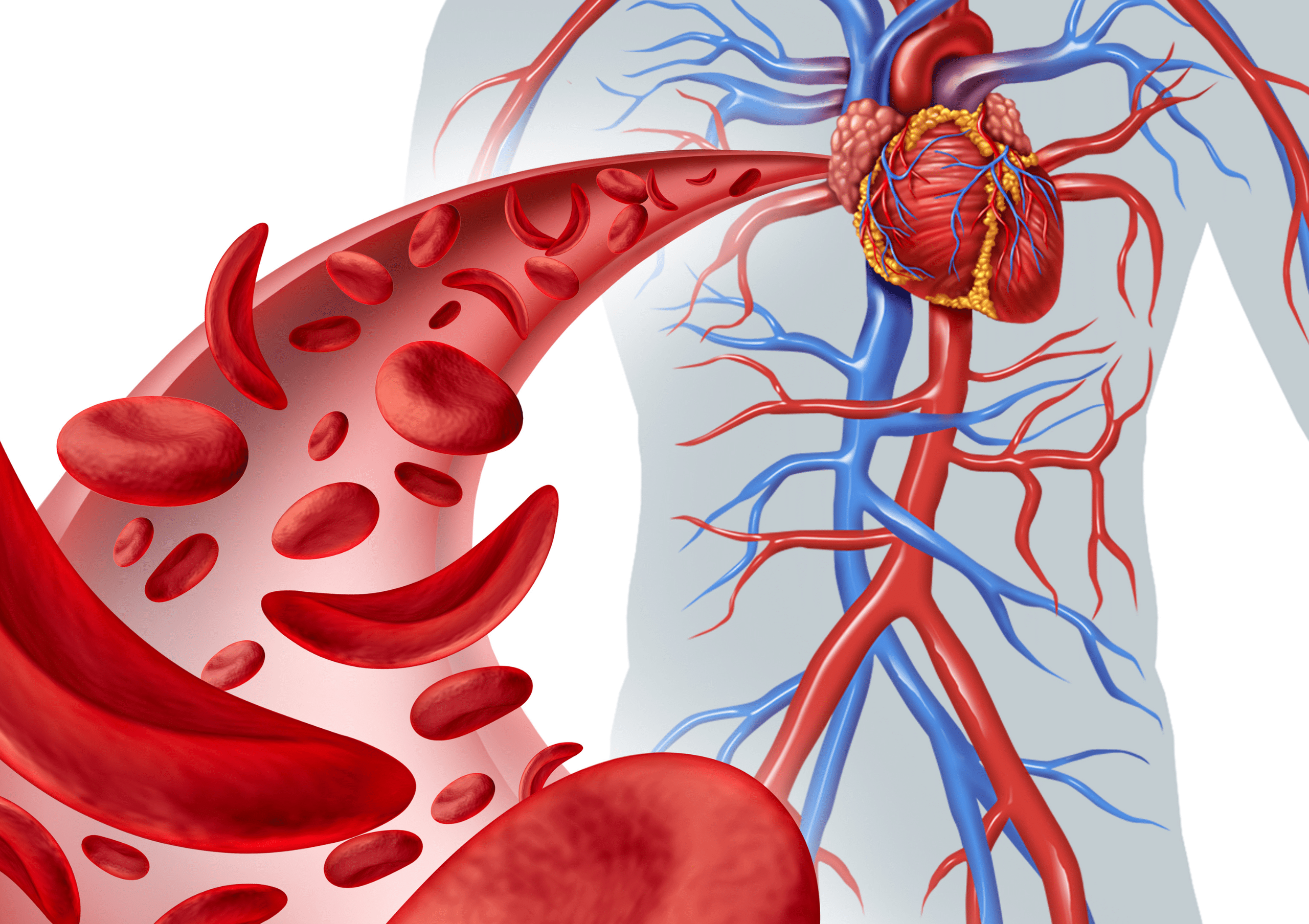
Lifestyle Changes for Natural Blood Thinning : Blood clots can increase the risk of serious health problems such as stroke, heart attack, and deep vein thrombosis. While medications are sometimes necessary, healthy lifestyle choices can naturally support blood thinning and improve circulation. Simple daily habits play a powerful role in keeping your blood flowing smoothly and reducing clot risks.
Also Read: Health Benefits of Almonds: Nutrition, Uses, and Powerful Reasons to Add Almonds Daily
Lifestyle Changes That Support Natural Blood Thinning
1. Stay Properly Hydrated– (Lifestyle Changes for Natural Blood Thinning)
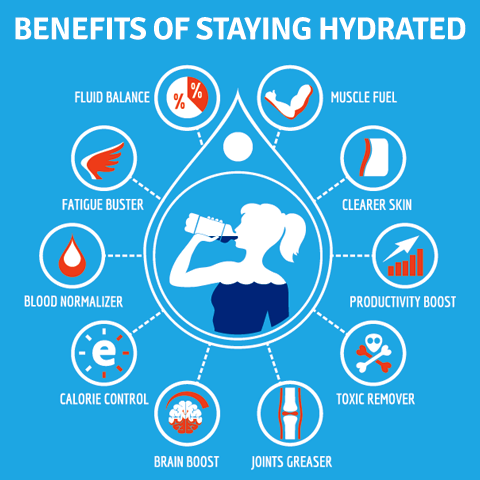
Drinking enough water prevents blood from becoming thick and sluggish. Proper hydration supports smoother circulation and reduces clotting risk.
Also Read: Limit sugary drinks to Protect Your Heart and Prevent Diabetes Naturally
2. Exercise Regularly
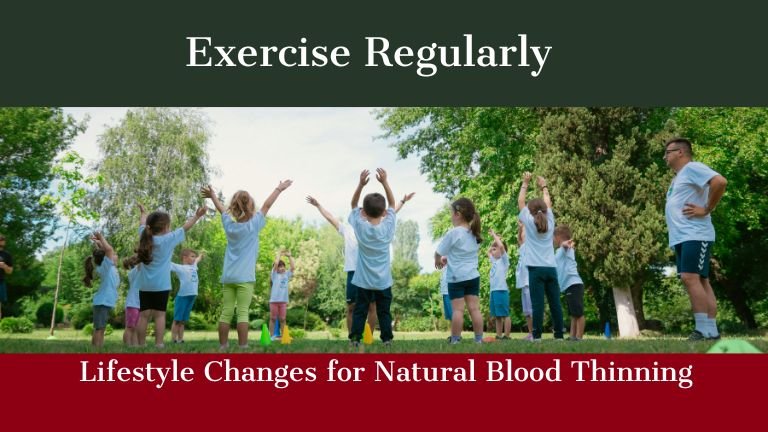
Physical activity like walking, cycling, stretching, or yoga improves blood flow and prevents blood from pooling in veins, especially in the legs.
3. Manage Stress Effectively
Chronic stress triggers inflammation and may increase clot formation. Meditation, relaxation techniques, and mindful breathing can help lower stress levels.
4. Avoid Smoking and Limit Alcohol
Smoking damages blood vessels and promotes clotting. Excessive alcohol consumption can also thicken blood, so moderation is essential.
5. Prioritize Quality Sleep
Poor sleep increases inflammation and negatively affects heart health. Aim for 7–8 hours of restful sleep each night.
6. Practice Yoga and Deep Breathing
Yoga poses and deep breathing exercises improve oxygen delivery, relax blood vessels, and enhance overall circulation naturally.
Final Thoughts
Natural blood thinning doesn’t rely on a single solution. Consistent lifestyle changes—hydration, movement, stress reduction, and healthy sleep—work together to support circulation and protect long-term heart health. Small habits practiced daily can make a lasting difference.
Frequently Asked Questions (FAQs)
1. Can lifestyle changes replace blood-thinning medications?
Lifestyle changes support blood health but should not replace prescribed medications without medical guidance.
2. How long does it take to see results from lifestyle changes?
Some benefits, like improved circulation and energy, may appear within weeks, while long-term protection develops over months.
Also Read: Limit sugary drinks to Protect Your Heart and Prevent Diabetes Naturally
3. Is exercise safe for people at risk of blood clots?
Low-impact exercises are generally safe, but it’s important to consult a healthcare provider before starting any new routine.
4. Does dehydration really increase clot risk?
Yes. Dehydration thickens blood, making clots more likely, especially during hot weather or illness.
5. Is yoga effective for circulation?
Yes. Yoga improves blood flow, reduces stress, and supports overall cardiovascular health naturally.
Disclaimer
This website’s content is meant simply for educational purposes and should not be used in place of medical care from a qualified healthcare provider. Because of individual needs, readers should consult their doctor to determine whether this information is appropriate for their situation.