Introduction
Winter brings cosy evenings, warm drinks, and festive moods—yet it also comes with an unwelcome guest:
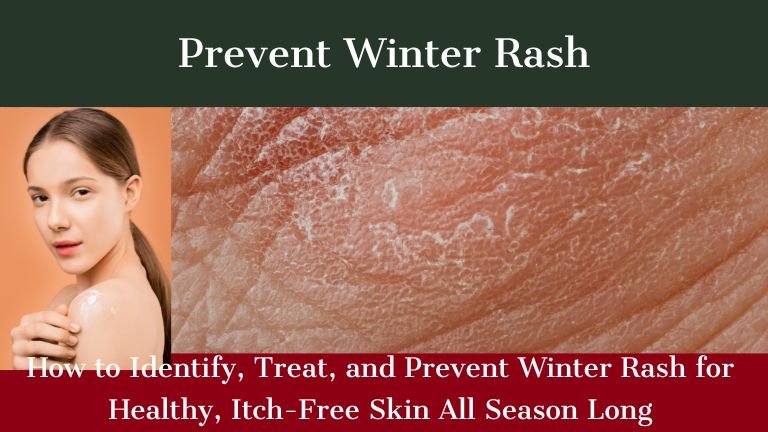
the winter rash. Characterised by redness, dryness, flakiness, and severe itching, this seasonal skin irritation can disrupt sleep and daily comfort. Understanding why winter rash happens and how to manage it can help you keep your skin healthy all season.
What Causes a Winter Rash?
Low humidity is one of the biggest triggers of winter rash. Dry air pulls moisture from the skin, leaving it dehydrated and prone to irritation. Exposure to cold winds, taking very hot showers, and wearing tight or scratchy woollen clothing can also worsen symptoms. People with eczema, dermatitis, psoriasis, allergies, or naturally sensitive skin are more prone to developing winter rashes.
How to Identify a Winter Rash
Winter rashes typically appear as dry, red, itchy patches, often on exposed areas such as the face, hands, and legs. While the symptoms may resemble eczema or allergic reactions, seasonal timing and excessive dryness are key indicators. Dermatologists may perform physical exams or skin tests if the rash is persistent or severe.
Effective Treatments for Winter Rash
- Use fragrance-free moisturisers frequently
- Avoid harsh soaps and hot showers
- Apply topical corticosteroids for inflammation (if prescribed)
- Use antihistamines to reduce itching
- Soothe skin with aloe vera, coconut oil, or oatmeal baths
These natural remedies help calm irritation and repair the moisture barrier.
How to Prevent Winter Rash
- Moisturise twice daily
- Use a humidifier indoors
- Wear gloves and scarves outdoors
- Choose hypoallergenic skincare products
- Limit long, hot baths
Final Thought
Winter rash doesn’t have to ruin your season. With the right skincare routine and preventive habits, you can maintain soft, itch-free skin all winter long.
Disclaimer
This website’s content is meant simply for educational purposes and should not be used in place of medical care from a qualified healthcare provider. Because of the reader’s individual needs, they should speak with their doctor to determine whether the information is appropriate for their situation.
FAQ
1. How long does a winter rash last?
Usually a few days to weeks, depending on treatment and care.
2. Can winter rash be contagious?
No, winter rash is not contagious.
3. When should I see a doctor?
Seek medical help if the rash is painful, spreading, or not improving with home care.