Stress Management Tips
Fact:
Daily stress management improves mood, focus, and overall health.
Stress is a part of everyday life, but when it becomes chronic, it can affect your physical, mental, and emotional well-being. Many people search for simple, effective ways to reduce stress naturally at home, improve focus, and maintain emotional balance. By practicing consistent stress management tips, you can cultivate mental peace and resilience while enhancing your overall quality of life.
Also Read: “Discover the Amazing Health Benefits of Drinking Warm Water with Lemon Every Morning Daily Routine”
Understanding Stress and Its Impact
Stress triggers the body’s “fight or flight” response, releasing hormones like cortisol and adrenaline. While occasional stress is normal and can even motivate you, prolonged stress can lead to anxiety, insomnia, irritability, fatigue, and reduced focus. Chronic stress also weakens the immune system, increases blood pressure, and may contribute to heart disease.
Recognizing the sources of stress in your life is the first step toward managing them. Common stressors include work pressures, financial worries, relationship challenges, health concerns, or even excessive screen time and digital overload. Once identified, you can adopt strategies to reduce stress naturally at home and maintain a calm mind.
Also Read: Natural Blood Thinners Explained: Benefits, Risks, Precautions, and Safe Use for Better Heart Health
Effective Stress Management Tips
Here are some practical stress management tips to support mental peace, emotional balance, and focus:
1. Practice Mindful Breathing and Meditation
Mindful breathing exercises or meditation for just 10–15 minutes a day can calm the mind, reduce anxiety, and improve concentration. Focus on slow, deep breaths, inhaling through the nose and exhaling through the mouth. Apps like Headspace or Calm can guide beginners in meditation, helping cultivate calm mind habits.
2. Engage in Regular Physical Activity – stress relief for mental health
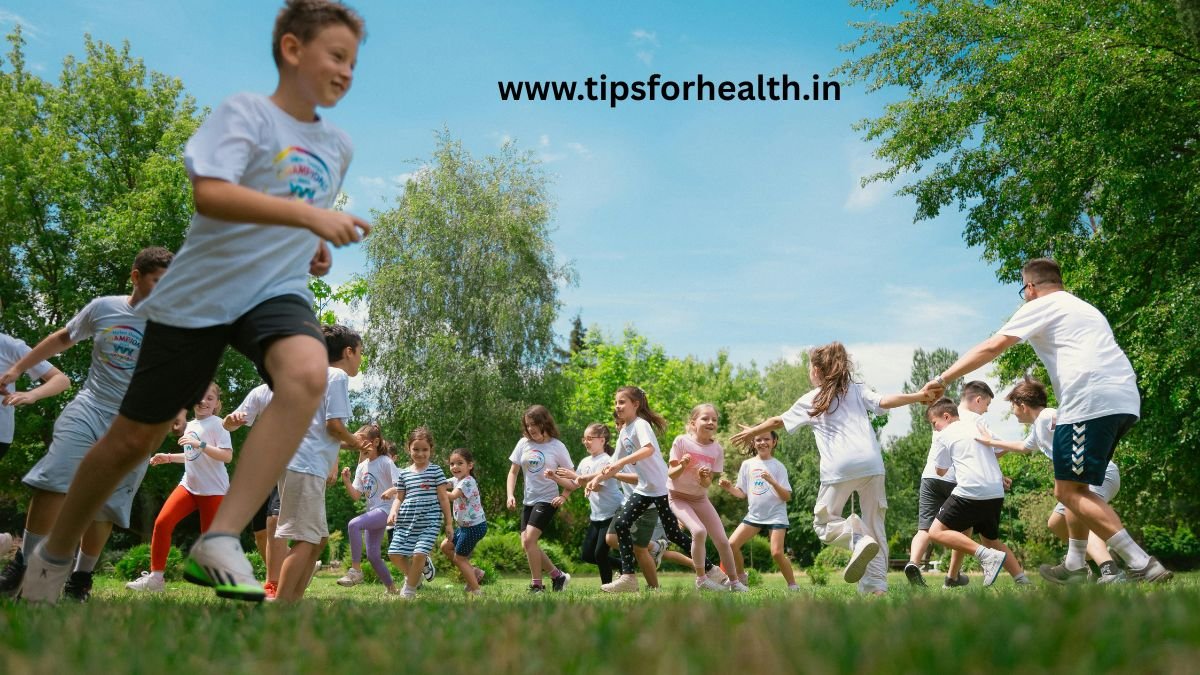
Exercise is one of the most effective natural stress relief methods. Activities such as yoga, walking, swimming, or strength training release endorphins—your body’s natural mood boosters. Even short daily workouts can help improve focus, enhance mood, and reduce tension.
3. Maintain a Balanced Diet for Mental Health
What you eat directly affects your brain and stress levels. Include stress-relieving foods and drinks in your diet:
-
Dark chocolate (in moderation) – reduces cortisol and boosts serotonin.
-
Herbal teas: chamomile and green tea help relax the mind.
-
Omega-3-rich foods: salmon, flax seeds, and walnuts support brain health.
-
Fresh fruits and vegetables – provide antioxidants that combat stress.
Avoid processed foods, excessive caffeine, and sugar, which can spike anxiety and affect sleep patterns.
4. Prioritize Sleep and Rest
Also Read: “Discover the Amazing Health Benefits of Drinking Warm Water with Lemon Every Morning Daily Routine”
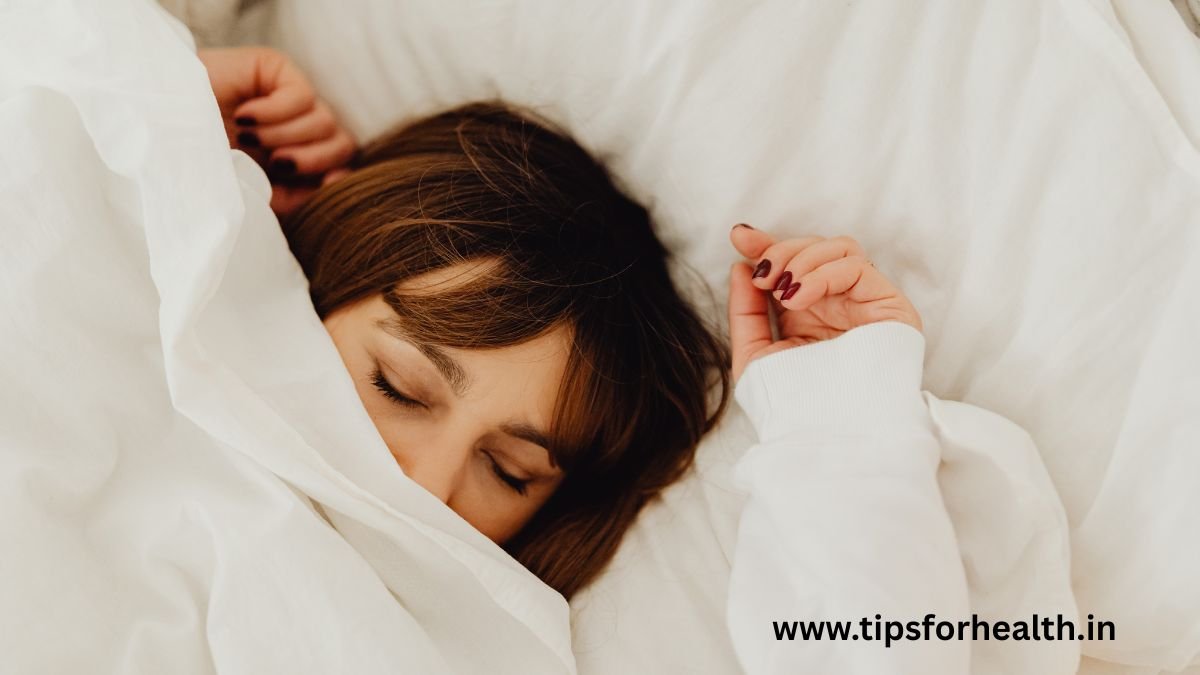
Quality sleep is essential for mental health and stress management. Aim for 7–9 hours of sleep each night, create a consistent bedtime routine, and limit screen exposure before bed. Adequate rest improves focus, emotional balance, and overall resilience to daily stressors.
5. Cultivate Relaxation Techniques
Incorporating relaxation techniques like progressive muscle relaxation, listening to calming music, or aromatherapy can help reduce tension. Activities such as reading, journaling, or spending time in nature also foster calm mind habits and mental clarity.
6. Stay Connected and Share Your Feelings
Social support plays a critical role in managing stress. Talking with friends, family, or a therapist can provide perspective, reduce anxiety, and improve emotional balance. Sharing your concerns helps release pent-up emotions and promotes mental peace.
Also Read: Importance of Sleep for Energy, Immunity, and Brain Function for a Healthier Life
7. Manage Time and Prioritize Tasks- reduce stress naturally at home
Overwhelm often comes from poor time management. Organize your tasks by priority, break larger projects into smaller steps, and avoid multitasking. Use planners or digital tools to schedule tasks efficiently, leaving room for relaxation and self-care.
8. Practice Gratitude and Positive Thinking
Focusing on positive experiences and practicing gratitude daily can shift your mindset. Keep a gratitude journal, noting three things you are thankful for each day. Positive thinking can reduce stress, improve mood, and enhance mental focus.
9. Limit Digital Overload – calm mind habits
Constant notifications, social media, and work emails can increase stress. Set boundaries for screen time, take digital detox breaks, and allocate “no-phone” periods during meals or before bedtime. Reducing digital overload promotes calmness and better sleep.
10. Incorporate Hobbies and Creative Outlets
Engaging in hobbies like painting, gardening, music, or crafting provides a mental escape and stimulates creativity. Creative activities reduce stress naturally at home and encourage a sense of accomplishment and fulfillment.
Low-Volume Stress Management Tips for Mental Peace
If you’re searching for ways to reduce stress naturally at home, consider integrating these low-volume but effective practices:
-
Breathing exercises before meals to calm digestion and the mind.
-
Mindful tea rituals: Slowly sipping herbal teas can reduce tension.
-
Nature walks for 15–20 minutes daily to reset your nervous system.
-
Stretching sessions during work breaks to relieve physical tension.
Even small habits, when practiced consistently, can create profound mental peace over time.
Food List / Drinks for Stress Relief:
- Dark chocolate (in moderation)
- Herbal teas: chamomile, green tea
- Omega-3 rich foods: salmon, flax seeds, walnuts
- Fresh fruits and vegetables
- Avoid: processed foods, excess caffeine
Final Thought
Small stress management habits daily create long-term peace and focus.
Managing stress is not about eliminating it—it’s about learning to navigate life’s challenges with calmness and resilience. Incorporating daily stress management tips, mindful eating, adequate sleep, and relaxation practices will support emotional balance, improve focus, and foster overall mental well-being. Small, consistent habits can transform your life, allowing you to enjoy long-term mental peace and a healthier, happier lifestyle.
FAQs – Stress Management Tips for Mental Peace and Emotional Balance
Q1: What are the most effective stress management tips for daily life?
A1: Effective stress management tips include mindful breathing, meditation, regular exercise, a balanced diet, quality sleep, and engaging in hobbies. Consistent practice improves mental peace, focus, and emotional balance.
Q2: How can I reduce stress naturally at home?
A2: You can reduce stress naturally at home by drinking herbal teas, practicing yoga or stretching, journaling, taking nature walks, and limiting screen time. Small daily habits can make a big difference.
Q3: Which foods and drinks help with stress relief for mental health?
A3: Stress-relieving foods and drinks include dark chocolate (in moderation), chamomile or green tea,omega-3-rich foods like salmon, walnuts, flax seeds, and fresh fruits and vegetables. Avoid processed foods and excess caffeine.
Q4: Can meditation and breathing exercises improve emotional balance?
A4: Yes, meditation and deep breathing exercises help calm the mind, reduce anxiety, improve focus, and promote emotional balance. Even 10–15 minutes of practice daily provides noticeable benefits.
Q5: How do small daily habits contribute to long-term mental peace?
A5: Small habits like mindful eating, gratitude journaling, brief walks, or relaxation breaks gradually reduce stress levels, enhance focus, and support long-term mental and emotional well-being.
Q6: Are there quick techniques to calm the mind during stressful moments?
A6: Quick techniques include slow deep breathing, counting breaths, stepping outside for fresh air, listening to calming music, or doing a brief stretching session to reset your nervous system.
Disclaimer
This website’s content is meant simply for educational purposes and should not be used in place of medical care from a qualified healthcare provider. Because of individual needs, readers should consult their doctor to determine whether this information is appropriate for their situation.