Natural Blood Thinners: Benefits, Risks, and Precautions
Introduction
Blood thinners play a vital role in preventing dangerous blood clots that can lead to heart attacks, strokes, and deep vein thrombosis. Alongside prescribed medications, many people are curious about natural blood thinners—foods and herbs believed to support healthy blood flow. While these natural options may offer supportive benefits, they also carry risks, especially when used in combination with medications. This article explores natural blood thinners, how they work, their benefits, risks, and the precautions you must take.
What Are Blood Thinners?
Blood thinners are medications classified as anticoagulants and antiplatelet agents. They do not actually “thin” the blood, but they reduce the blood’s ability to form harmful clots.
Natural blood thinners should never be used as a substitute for prescribed medication. They may, however, support overall cardiovascular health when used responsibly.
Natural Ingredients With Blood-Thinning Properties
1. Turmeric
Contains curcumin, which may inhibit clotting factors and reduce abnormal clot formation.
2. Ginger
Rich in natural salicylates and gingerols that may reduce platelet aggregation.
3. Cinnamon
Contains coumarin, known for its anticoagulant properties.
Tip: Cassia cinnamon has more coumarin than Ceylon cinnamon.
4. Cayenne Pepper
High in salicylates and capsaicin, which may improve circulation and reduce clotting.
5. Vitamin E
Acts as a mild anticoagulant and may reduce platelet aggregation.
6. Garlic
Contains allicin, which may prevent platelets from clumping together.
Also Read: Limit sugary drinks to Protect Your Heart and Prevent Diabetes Naturally
7. Ginkgo Biloba
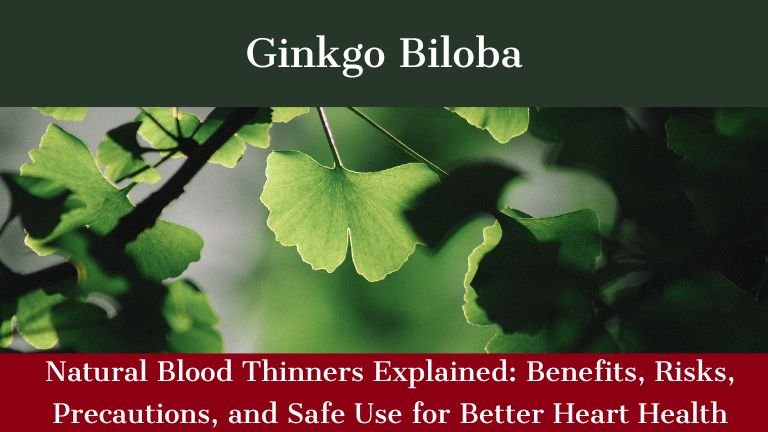
May improve circulation by reducing platelet aggregation.
8. Grape Seed Extract
Rich in antioxidants that may protect blood vessels and support healthy clotting balance.
9. Dong Quai
A traditional Chinese herb containing coumarins with mild blood-thinning effects.
10. Feverfew
May reduce platelet aggregation and clot formation.
11. Bromelain
Derived from pineapple; may inhibit clot-forming proteins.
12. Aloe Vera
Contains salicylates that may mildly reduce clot formation.
13. Evening Primrose Oil
May reduce platelet aggregation and clotting activity.
Also Read: Limit sugary drinks to Protect Your Heart and Prevent Diabetes Naturally
14. Melatonin
Research suggests mild antiplatelet and anticoagulant effects.
15. Whole Grains and Legumes
Oats and quinoa contribute to reducing cholesterol levels and enhancing blood circulation.
Lentils and beans are rich in fiber and offer anti-inflammatory properties.
Brown rice is a source of vital nutrients that support cardiovascular health.
⚠️ More large-scale human studies are still needed to confirm the safety and dosage of these natural substances.
While natural blood thinners may support heart health, they are not substitutes for prescribed blood-thinning medications. Using them alongside medical anticoagulants can increase bleeding risk if not monitored properly.
Also Read: Health Benefits of Almonds: Nutrition, Uses, and Powerful Reasons to Add Almonds Daily
Always consult your healthcare provider before adding natural blood thinners to your routine, especially if you are on medication or preparing for surgery. When used carefully, they can complement a heart-healthy lifestyle.
Final Thought
Natural blood thinners can support circulation, but safety comes first. Professional guidance ensures balance, effectiveness, and protection.
FAQs
Are natural blood thinners safe?
They are generally safe in food amounts but may cause issues when combined with medications.Can I replace my blood thinner medicine with herbs?
No. Never replace prescribed medication without a doctor’s approval.Which natural blood thinner is most common?
Garlic, turmeric, and ginger are the most widely used and studied.