Healthy eating habits

Introduction
Healthy eating habits- Healthy eating is one of the most powerful foundations for a strong body and a clear mind. It doesn’t require strict dieting, expensive superfoods, or giving up your favorite meals. Instead, it’s about making small, consistent choices that nourish your body and fit into your daily life. By focusing on simple habits, you can improve your energy levels, digestion, immunity, and overall well-being. Here are four easy yet effective ways to eat healthier every day without feeling overwhelmed.
Also Read: Doctor Reveals the Right Way to Layer Winter Skincare and Avoid Common Hydration Mistakes
1. Choose Nutritious, Whole Foods- Healthy eating habits
Focus on filling your plate with nutrient-dense foods such as fruits, vegetables, whole grains, lean proteins, and healthy fats. These foods supply essential vitamins, minerals, fiber, and antioxidants that support heart health, brain function, and sustained energy. Whenever possible, choose fresh, minimally processed foods over packaged options. The more natural your food choices, the better your body can use them.
2. Practice Portion Control Mindfully
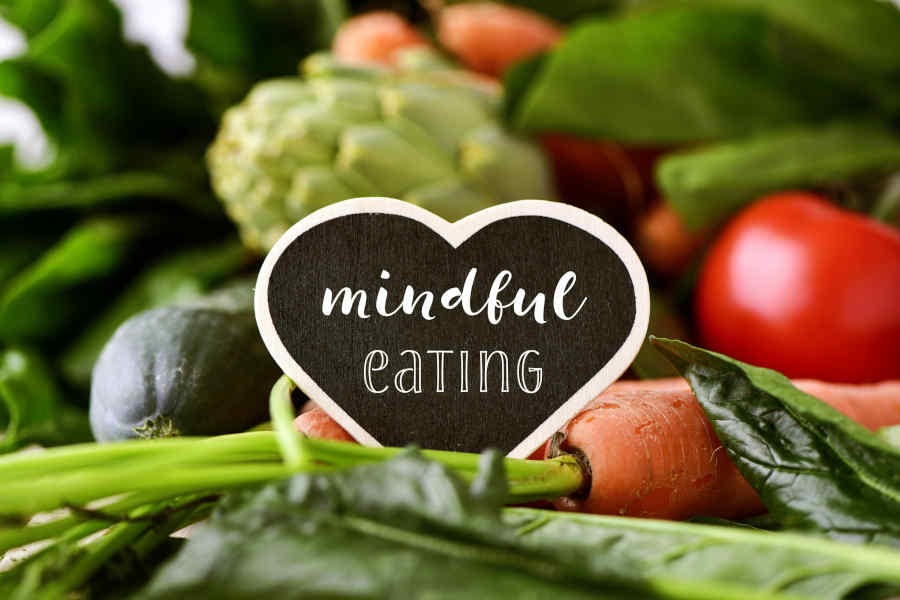
Even healthy foods can lead to weight gain or discomfort when eaten in excess. Portion control helps you enjoy meals without overeating. Use smaller plates, eat slowly, and pay attention to your hunger and fullness signals. Mindful eating allows you to savor your food, improves digestion, and helps prevent unnecessary snacking later in the day.
3. Add Variety to Your Meals- Healthy eating habits
Eating a wide range of foods ensures your body gets all the nutrients it needs. Different colors, textures, and flavors often mean different vitamins and minerals. Try rotating fruits, vegetables, grains, and proteins throughout the week. Variety not only boosts nutrition but also keeps meals exciting and prevents boredom with healthy eating.
Also Read: Limit sugary drinks to Protect Your Heart and Prevent Diabetes Naturally
4. Limit Fast Food and Ultra-Processed Meals
Fast food is convenient, but it often contains high levels of unhealthy fats, salt, and added sugars. Frequent consumption can negatively impact your health over time. Cooking at home more often gives you full control over ingredients and portions. Simple home-cooked meals can be quick, affordable, and far healthier than takeout options.
Also Read: How to Identify, Treat, and Prevent Winter Rash for Healthy, Itch-Free Skin All Season Long
Final Thought
Healthy eating isn’t about being perfect—it’s about progress. Small, consistent changes can lead to lasting results. Start with one habit, build gradually, and allow yourself flexibility. Over time, these simple choices can transform your health, boost your confidence, and improve your quality of life.
Frequently Asked Questions (FAQs)
Q1. How can I start eating healthy if I’m very busy?
Start with small changes like adding fruits to breakfast, packing simple homemade meals, or choosing healthier snacks. Even small steps make a difference.
Q2. Is portion control necessary if I eat healthy foods?
Yes. Healthy foods still contain calories, and portion control helps maintain balance and prevents overeating.
Q3. Can I eat healthy on a budget?
Absolutely. Choose seasonal fruits and vegetables, whole grains, lentils, and home-cooked meals. These are nutritious and cost-effective.
Q4. Do I need to give up fast food completely?
No. Limiting fast food and enjoying it occasionally is more realistic and sustainable than complete restriction.
Q5. How long does it take to see results from healthy eating?
Some benefits like better energy and digestion appear within weeks, while long-term benefits develop with consistent habits over time.
Disclaimer
This website’s content is meant simply for educational purposes and should not be used in place of medical care from a qualified healthcare provider. Because of individual needs, readers should consult their doctor to determine whether this information is appropriate for their situation.