How to Get Rid of Excess Belly Fat Naturally
Introduction
Excess belly fat is not just about appearance—it’s a serious health concern. Also called visceral fat, this deep abdominal fat surrounds vital organs and increases the risk of type 2 diabetes, heart disease, and metabolic disorders.
Why Belly Fat Is Dangerous
Visceral fat is metabolically active and releases inflammatory substances that interfere with insulin function. Research shows that waist circumference and waist-to-hip ratio are stronger predictors of health risks than body weight alone.
Effective Ways to Reduce Excess Belly Fat

1. Reduce Refined Carbohydrates
Limit white bread, sweets, sugary drinks, and ultra-processed foods. These spike insulin levels and promote abdominal fat storage.
2. Eat More Protein and Fiber
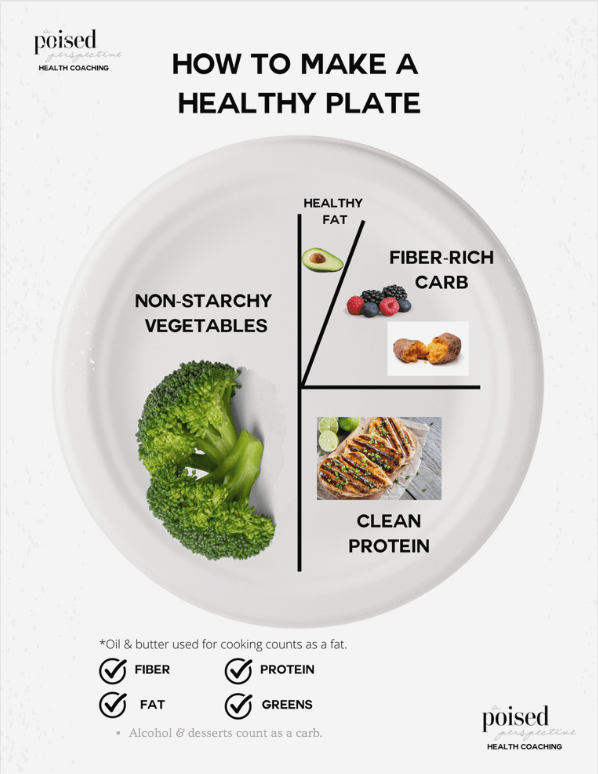
Protein helps preserve muscle and reduces hunger, while fiber improves digestion and supports fat loss. Include lentils, eggs, vegetables, fruits, nuts, and seeds.
3. Manage Stress Levels
Chronic stress raises cortisol, a hormone linked directly to belly fat accumulation. Practices like yoga, meditation, deep breathing, and quality sleep help lower cortisol.
4. Stay Physically Active
Strength training and daily movement are especially effective at reducing visceral fat—even without drastic weight loss.
Final Thought
Getting rid of excess belly fat requires consistent lifestyle changes, not crash diets. Focus on nourishing foods, stress reduction, and long-term habits to protect your heart and metabolic health.
FAQs
Q1. Can you lose belly fat without losing weight?
Yes. Visceral fat can decrease even if the scale doesn’t change significantly.
Q2. How long does it take to reduce belly fat?
With consistent habits, improvements can be seen within 4–8 weeks.
Q3. Is belly fat more dangerous than fat in other areas?
Yes. Visceral fat poses higher risks than subcutaneous fat found in hips or thighs.
Disclaimer
This website’s content is meant simply for educational purposes and should not be used in place of medical care from a qualified healthcare provider. Because of the reader’s individual needs, they should speak with their doctor to determine whether the information is appropriate for their situation.